
Roof Repair vs. Replacement in Middle Tennessee: How to Decide in 2026
Learn whether your Middle Tennessee roof needs a repair or replacement. Terry Woodall Roofing explains the warning signs, how local weather affects the decision, and what an honest inspection should cover.
- 1.Quick Answer: When Does a Roof Need Repair vs. Replacement?
- 2.How Roof Age Affects the Decision
- 3.Signs a Roof Repair May Be Enough
- 4.Signs a Roof Replacement May Be the Better Long-Term Choice
- 5.How Middle Tennessee Weather Affects Roof Damage
- 6.Storm Damage vs. Normal Roof Aging
- 7.What Affects the Cost of a Repair or Replacement
- 8.What Happens During a Roof Inspection
- 9.What Homeowners Can Check Safely From the Ground
There is no single rule that decides repair vs. replacement. A targeted repair is usually enough when the damage is isolated (one leak, a few missing shingles, or a damaged pipe boot) and the rest of the roof still has useful life. Replacement is usually the better long-term choice when leaks repeat in different areas, shingles are curling or cracking broadly, the decking is rotted or sagging, or the shingles are near the end of their useful life. Because Middle Tennessee storms, hail, heat, and humidity all affect the decision, an in-person inspection is the only reliable way to know. Terry Woodall Roofing provides free inspections across Middle Tennessee and does not recommend replacement automatically when a repair can solve the problem — call (615) 300-6005.
Key Takeaways for Middle Tennessee Homeowners
- Repair and replacement are not decided by a single rule — roof age, damage location, decking condition, ventilation, installation quality, and remaining shingle life all have to be weighed together.
- An isolated leak, a few missing shingles, or a damaged pipe boot on an otherwise sound roof often points to a targeted repair.
- Repeated leaks, widespread curling, sagging, rotted decking, or shingles near the end of their useful life usually point toward replacement.
- The National Weather Service classifies a thunderstorm as severe when it produces winds of at least 58 mph or hail at least 1 inch across — and Middle Tennessee sees these storms regularly each spring and summer.
- An in-person inspection is the only reliable way to decide — not a single rule of thumb.
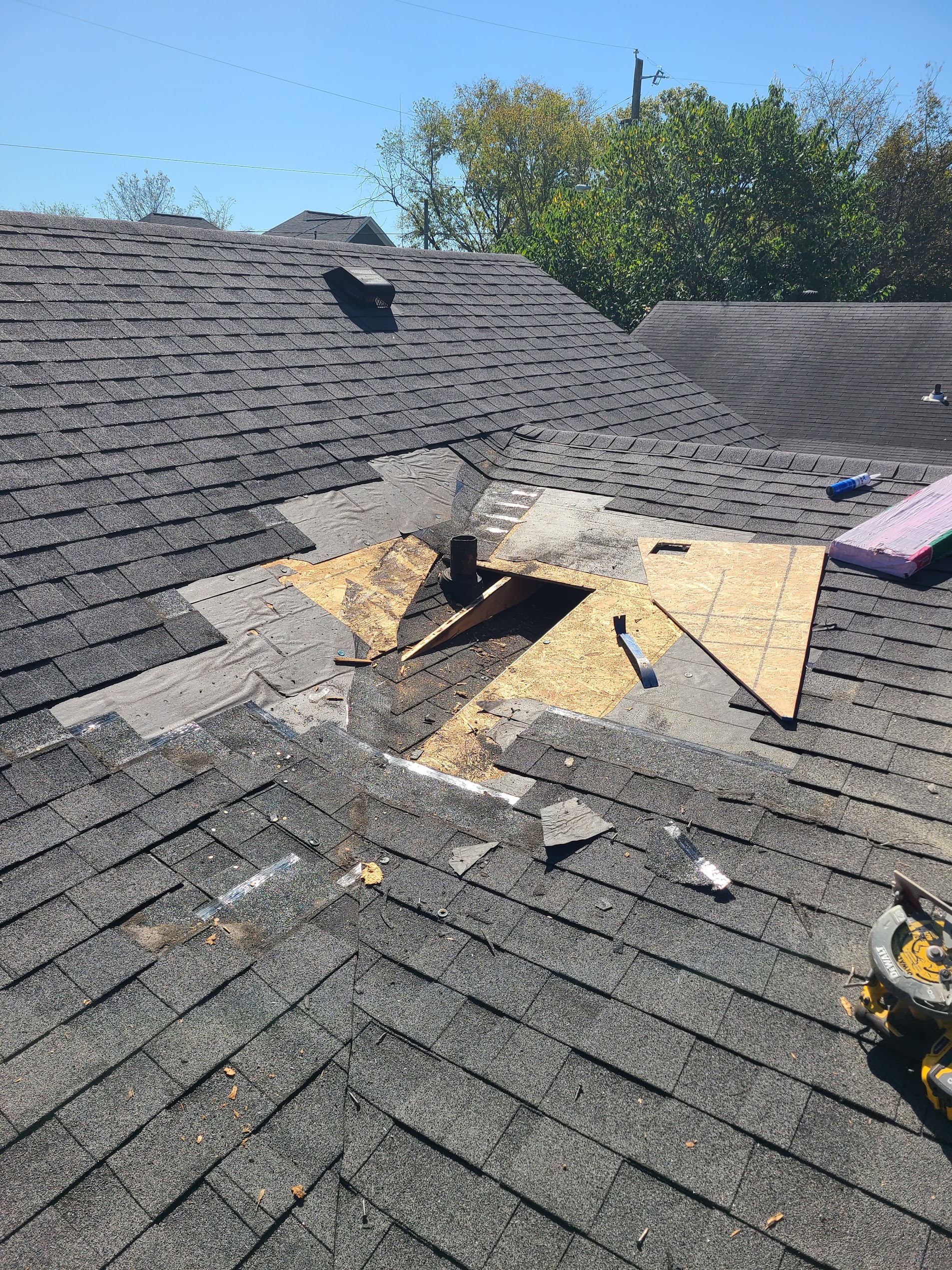
Repairing a roof means fixing a specific problem — replacing a few damaged shingles, resealing a leaking pipe boot, or patching flashing around a chimney — while leaving the rest of the roofing system in place. Replacing a roof means tearing off the old shingles down to the decking, repairing any rotted wood, and installing a completely new roofing system with fresh underlayment, flashing, and shingles.
The decision between the two is not a simple formula. A homeowner has to weigh roof age, where the damage is located, how widespread it is, the condition of the decking underneath, the quality of the original installation, attic ventilation, any previous repairs, and how much useful life the shingles still have. Two roofs of the exact same age can need completely different answers.
Where you live matters, too. Middle Tennessee's severe spring and summer thunderstorms, hail, intense heat, and humidity put more stress on asphalt shingles than many homeowners expect, so a roof that looks fine from the ground can still be failing underneath. That is why the only reliable way to decide is a hands-on inspection — and why Terry Woodall Roofing is inspection-first, never recommending replacement automatically when a repair can reasonably solve the problem.
Repair vs. Replacement at a Glance
Use this as a general guide, not a hard rule. Every situation still needs an in-person inspection to weigh the factors together.
| Situation | Repair may make sense | Replacement may make sense |
|---|---|---|
| Roof age | Mid-life roof with plenty of useful shingle life remaining | Shingles near the end of their expected service life |
| Leaks | One isolated leak from a specific entry point | Leaks recurring in several different areas |
| Missing or damaged shingles | A small number confined to one section | Widespread across multiple roof planes |
| Curling, cracking, or blistering | Limited to a few shingles | Broad and visible across the roof |
| Granule loss | Light, normal wear in gutters | Heavy granule buildup signaling shingle failure |
| Roof decking | Dry, solid, and structurally sound | Rotted, soft, or water-damaged wood |
| Sagging | No sagging — roof lines are straight | Visible sagging, a structural warning |
| Repeated repairs | First or occasional repair on a sound roof | Repair bills adding up year after year |
| Storm or hail damage | Limited, confined damage that can be patched | Extensive damage across much of the roof |
| Remaining useful life | Most of the roof's service life still ahead | Little useful life left even with repairs |
Quick Answer: When Does a Roof Need Repair vs. Replacement?
There is no universal rule that separates a repair from a replacement. A targeted repair is usually the right call when the problem is isolated — one leak, a few missing shingles, or a single failed pipe boot — and the rest of the roof still has useful life. Replacement becomes more likely when problems are widespread: leaks in several areas, shingles curling or cracking across the roof, rotted or sagging decking, or a roof near the end of its service life.
The factors that have to be weighed together are roof age, the location and extent of the damage, the condition of the decking, the quality of the original installation, attic ventilation, any previous repairs, and how much useful life the shingles still have. None of these alone decides the answer. A 15-year-old roof with one leak is usually a repair; a 15-year-old roof with widespread storm damage may not be. That is why an in-person inspection — not a rule of thumb — is the only reliable way to decide.
How Roof Age Affects the Decision
Asphalt shingle lifespan is not a fixed number. It varies based on shingle type (3-tab vs. architectural), the quality of the original installation, attic ventilation, how well the roof has been maintained, storm and hail exposure, summer heat and humidity, and any previous repairs. A well-installed, well-ventilated architectural roof may outlast a poorly installed one by many years, and a roof that has taken repeated hail hits will age faster than one that has not — even if they were installed the same year.
Manufacturer warranty terms are not the same as real-world service life. Most architectural shingles from leading manufacturers like GAF, CertainTeed, and Owens Corning carry a 'limited lifetime' warranty for the original owner of a single-family home, while standard 3-tab shingles typically carry a 25-year warranty term. Those are warranty terms, not guarantees of how long a roof will actually last in Middle Tennessee's climate. For a deeper look at how long each type tends to last here, see our asphalt shingle lifespan guide.
Age is a useful starting point, not a verdict. A roof nearing the later part of its expected service life deserves a closer look, but age alone does not mean it must be replaced, and a younger roof is not automatically safe if it was poorly installed or storm-damaged. The physical condition of the shingles, decking, and flashing matters more than the calendar.
Signs a Roof Repair May Be Enough
A targeted repair is often the right call when the problem is isolated and the rest of the roof is still in sound condition. Common situations where repair makes sense include one isolated leak, a small number of missing or damaged shingles in a single area, a damaged pipe boot or flashing seal, limited storm damage confined to one section, or a relatively newer roof whose shingles are otherwise in good shape with no sagging, rot, or widespread deterioration.
Even a small leak should be inspected, not ignored. Water can travel beneath the shingles and along the decking before it shows up on your ceiling, so the interior stain may not be directly below the point where water is actually entering. A proper inspection finds the true entry point so the repair targets the real problem instead of just the visible stain. If you are dealing with an active leak right now, our roof leak emergency guide walks through what to do immediately and safely.
The key is that the rest of the roof has to be in serviceable condition. If the shingles are otherwise sound, the decking is dry and solid, and the leak is confined to one area, a repair solves the problem. If you are seeing any of these signs, start with a free roof inspection before deciding anything. And if you are still uncertain whether a repair or replacement is the right call after the first recommendation, it may be worth getting a second opinion on your roof before committing to a major project. Once you are evaluating an actual repair proposal, our roof repair estimate checklist walks through what the written estimate should include before you approve the work.
Signs a Roof Replacement May Be the Better Long-Term Choice
Replacement is usually the better long-term investment when the problems are broad rather than isolated. Signs that point toward replacement include repeated leaks in different areas of the home, widespread curling, cracking, or blistering across the shingles, sagging roof lines, rotted or damaged decking, extensive storm or hail damage, shingles that are near the end of their useful life, repeated repair bills that keep adding up, and interior water damage showing up in multiple rooms.
These signs are strong indicators, but they do not replace an in-person inspection. A sagging roof line, in particular, is a structural warning that should be evaluated promptly — it can point to compromised rafters or decking that a surface repair will not fix. The goal is to understand the whole roof, not to jump to replacement based on a single symptom.
When several of these signs appear together, a full roof replacement is often the more cost-effective path than years of patching. For a detailed walkthrough of the warning signs that replacement may be needed, see our guide on when it is time to replace your roof.
How Middle Tennessee Weather Affects Roof Damage
Middle Tennessee weather is harder on asphalt shingles than many homeowners realize, and it is a major reason the repair-vs-replacement decision here is different than in milder climates. The National Weather Service classifies a thunderstorm as severe when it produces winds of at least 58 mph or hail at least 1 inch in diameter — and the Nashville forecast area (served by NWS Nashville) sees these storms regularly each spring and summer. High winds lift and tear shingles, while hail bruises the shingle mat and knocks granules loose even when nothing looks broken from the ground.
Beyond storms, intense summer heat and high humidity bake the asphalt and dry out sealants, while repeated wet-dry cycles stress flashing and seal points. In shaded, humid spots, algae or moss can also take hold on the shingle surface. None of this means every Middle Tennessee roof deteriorates at the same rate — a well-ventilated, well-maintained roof in a less storm-exposed spot can perform well for many years. But it does mean that weather exposure has to be part of the decision, and that hidden damage is common enough to justify an inspection after any significant storm.
For homeowners in Nashville, Franklin, Brentwood, or Dickson, local storm history is a real factor in how long a repair will hold up. For a deeper look at identifying storm and hail damage specifically, see our storm and hail roof damage guide.
Storm Damage vs. Normal Roof Aging
It is important to tell the difference between normal aging and storm damage, because they lead to different decisions. Normal aging shows up gradually — a slow increase in granules in the gutters, minor shingle curling on a hot south-facing slope, or a single pipe boot drying out after years of sun. These are often repairable maintenance issues on a roof that still has useful life.
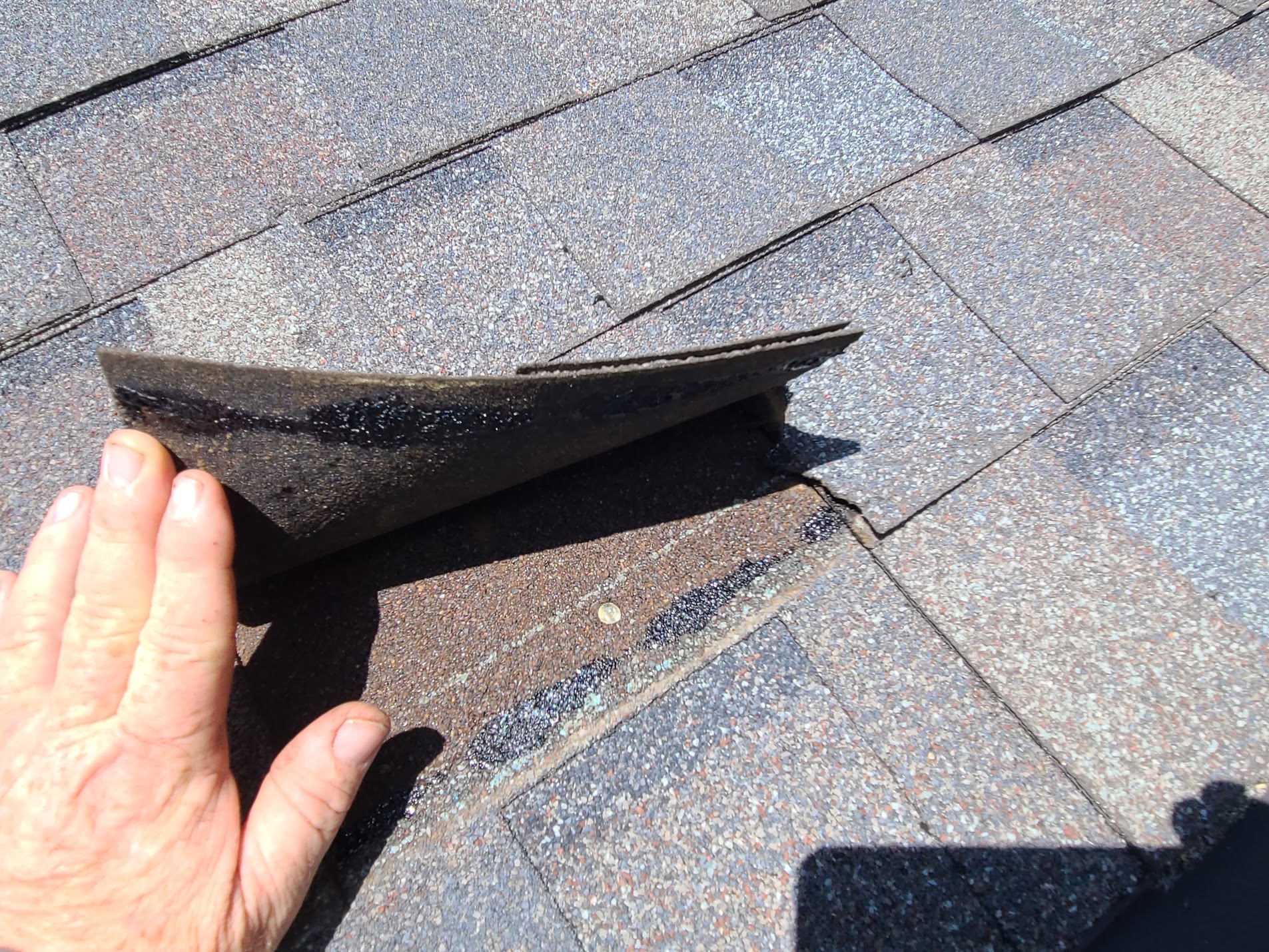
Storm damage is different. It shows up after a specific event — wind-torn or missing shingles after a severe thunderstorm, hail bruises across multiple slopes, or a new leak that appears right after a storm. Storm damage can be isolated and repairable, or it can be extensive enough to warrant replacement. Because hail and wind damage are often invisible from the ground, a post-storm roof inspection is the only reliable way to know whether your roof was affected. The difference matters for insurance, too: whether and how a claim is covered depends on your individual policy, your deductible, and the cause of damage, so homeowners should review their policy and contact their insurer regarding claim obligations. Our Tennessee roofing insurance claims guide explains the process in detail.
What Affects the Cost of a Repair or Replacement
Cost is driven by several factors, and the only reliable way to know your price is an inspection. For both repairs and replacements, cost is affected by roof size, pitch and accessibility, the number of existing shingle layers that must be removed, the shingle material chosen, any decking repairs needed, flashing and ventilation work, emergency or after-hours access, disposal and labor, and whether the work is storm- or insurance-related.
It is also worth thinking about cost over time. When damage is isolated and the rest of the roof remains serviceable, a targeted repair can cost substantially less than replacing the entire roof. But repeated small repairs can add up, and at some point the cumulative cost of patching approaches the investment in a new roof. No homeowner should be pressured into replacement before the numbers actually support it. For a full breakdown of what drives repair pricing, see our roof repair cost guide, and for full replacement pricing factors, see our Nashville roof replacement cost guide.
Timing is another factor homeowners weigh. If you are facing a repair or replacement in the colder months, you may wonder whether the work can even be done in winter or must wait until spring. For the manufacturer's 40°F guideline and what cold-weather roofing requires, see our guide on whether a roof can be replaced in the winter in Tennessee. The short answer: most repairs can be performed in cold weather, while a full replacement during a deep freeze carries more risk and should be weighed carefully.
What Happens During a Roof Inspection
A proper inspection evaluates the whole roofing system, not just the spot where you see a stain. A professional roofer may inspect the shingles for cracking, curling, blistering, and granule loss; check the flashing around chimneys, skylights, and walls; examine pipe boots and other penetrations; look at the valleys and roof edges where water concentrates; assess attic ventilation; and check gutters where relevant. When accessible, the decking condition and attic or interior signs of moisture may also be evaluated.
Not every area can be fully evaluated without removing materials — some damage is hidden under intact shingles or inside enclosed assemblies — but a thorough inspection covers far more than a quick ground-level glance. The purpose is to understand the real condition of the roofing system so you can decide whether a repair is needed, whether replacement may be worth considering, or whether the roof is fine and simply worth monitoring. For a full walkthrough of what a free inspection covers, see our free roof inspection guide.
What Homeowners Can Check Safely From the Ground
You do not need to climb on your roof to spot warning signs. From the ground or through a window, you can look for visible missing or damaged shingles, shingles that appear curled or lifted at the edges, dark streaks or algae growth, and any visible sagging along the roof line. After a storm, check for roofing debris in the yard or shingle pieces around the downspout discharge.
Inside, look for ceiling stains, bubbling paint, or recurring moisture in upper rooms and around chimneys. In the gutters, a heavy buildup of gritty granules can signal that the shingles are shedding their protective coating. None of these observations replace a professional inspection, but they help you know when it is time to call. Do not climb onto a wet, steep, or storm-damaged roof — that is a job for a professional with the right equipment.
Before Deciding, Ask Yourself
- How old is the roof?
- Where is the damage located?
- Has the roof leaked before?
- Are there leaks in more than one area?
- Are the shingles deteriorating broadly or only in one spot?
- Is the decking dry and structurally sound?
- Has the roof been affected by wind or hail?
- How much useful life may remain?
Have a question about your roof?
Terry personally answers the phone — no sales reps, no pressure.
Frequently Asked Questions
Straight answers to common questions from Middle Tennessee homeowners.
Is it better to repair or replace a leaking roof?
It depends on the whole roof, not just the leak. A single isolated leak on a roof with plenty of useful life left usually calls for a repair. Leaks that keep coming back in different areas, or a roof near the end of its life, usually point to replacement. The only reliable way to know is an in-person inspection — Terry Woodall Roofing offers free inspections across Middle Tennessee and does not push replacement when a repair will solve it. Call (615) 300-6005.
How do I know if my roof leak is serious?
Any leak deserves attention, even a small one, because water can travel beneath the shingles before it shows on your ceiling. A leak is more serious when it recurs, appears in multiple rooms, or comes with sagging, stained decking, or widespread shingle damage. A free inspection pinpoints the true entry point and the extent of the problem so you can act before the damage spreads.
Can a roof be repaired after storm damage?
Yes, in many cases. When storm or hail damage is limited to one section, a targeted repair often restores the roof. When damage is extensive — many lifted, torn, or bruised shingles across the roof — replacement may be the safer long-term choice. An inspection confirms the extent of the damage so you can decide based on the actual condition of the roof.
How long does an asphalt shingle roof last in Middle Tennessee?
Lifespan varies by shingle type, installation quality, ventilation, maintenance, and storm exposure — so there is no guaranteed number. Architectural shingles generally outlast 3-tab shingles, and a well-ventilated, well-maintained roof lasts longer than a neglected one. Repeated hail and heat shorten life. An inspection can estimate how much useful life your roof has left.
Does missing one shingle mean I need a new roof?
Usually no. A single missing or damaged shingle on an otherwise sound roof is a simple, affordable repair. It becomes a bigger concern only if shingles are missing in many areas, the surrounding shingles are also failing, or water has reached the decking. A quick inspection confirms whether it is a one-off repair or a sign of broader wear.
Should I replace my roof before selling my home?
It depends on the roof's condition and your market. A roof near the end of its life can scare off buyers or lower your sale price, while a sound roof that only needs a repair usually does not require replacement. An honest inspection tells you where you stand so you can decide based on facts, not pressure.
Can an inspection tell me how much life my roof has left?
Yes, a thorough inspection gives a reasoned estimate of remaining useful life based on shingle condition, flashing, ventilation, decking, and storm exposure. It is an informed estimate, not a guarantee, because future weather and hidden conditions affect it. Terry explains the condition of your roof and the available options in plain language so you can plan ahead.
Terry Woodall Roofing Contractors
From the Terry Woodall Roofing Contractors Resource Center — serving Middle Tennessee homeowners since 1983
Terry Woodall Roofing Contractors brings over 40 years of hands-on roofing experience to Middle Tennessee homeowners. These resources are prepared to help homeowners understand roof maintenance, storm damage mitigation, and the insurance claims process so every home is protected. Founder Terry Woodall personally oversees the company's roofing work across Nashville, Franklin, Brentwood, and the surrounding communities.
Found this guide useful? Copy a ready-to-paste citation and attribute Terry Woodall Roofing as your source.
Terry Woodall. (2026-07-16). Roof Repair vs. Replacement in Middle Tennessee: How to Decide in 2026. Terry Woodall Roofing. https://terrywoodallroofing.com/resources/roof-repair-vs-replacement-middle-tn
Related Roofing Services
If you suspect your roof needs attention, Terry Woodall offers straightforward evaluations across Middle Tennessee:
Where We Work in Middle Tennessee
Keep Reading
Request a Call
Get straightforward answers directly from Terry.
Free roof inspection — and free estimates on any recommended work.
This form is for Middle Tennessee homeowners requesting roofing help only. Marketing, sales, and vendor solicitations are not accepted and will be discarded.
Need an Honest Roof Inspection?
Speak directly with Terry Woodall today. No pushy sales representatives, just a local reputation built since 1983.
Call (615) 300-6005Text TerryNot sure whether your roof needs a repair or replacement? Terry Woodall Roofing provides straightforward roof inspections and honest recommendations across Middle Tennessee. Call (615) 300-6005 to speak with Terry.