
What Happens During a Free Roof Inspection in Nashville & Middle Tennessee?
Wondering what a roof inspection involves, when to schedule one, and what to expect afterward? An honest, educational walkthrough for Nashville and Middle Tennessee homeowners — Terry Woodall Roofing offers free inspections.
- 1.What Is a Professional Roof Inspection?
- 2.When Should You Have Your Roof Inspected?
- 3.What Does a Roofer Look for During a Roof Inspection?
- 4.Can a Roof Inspection Find the Source of a Leak?
- 5.Why Roof Inspections Matter After Nashville & Middle Tennessee Storms
- 6.Can an Inspection Tell Whether You Need Repair or Replacement?
- 7.Does a Roof Inspection Help Determine Repair Cost?
- 8.Roof Inspection vs. Insurance Adjuster Inspection
- 9.What Should Homeowners Ask During a Roof Inspection?
- 10.What Happens After a Roof Inspection?
- 11.How to Request a Free Roof Inspection From Terry Woodall Roofing
During a professional roof inspection, a roofer evaluates visible roofing conditions and looks for signs of damage, deterioration, leaks, or other problems that may need attention — including shingle condition, flashing, penetrations, valleys, roof edges, and visible storm or water-intrusion signs. The goal is to understand the real condition of the roof so you can make an informed decision about repair, replacement, or simply monitoring. Terry Woodall Roofing offers free roof inspections for homeowners within its Middle Tennessee service area — Terry personally answers (615) 300-6005.
Key Takeaways for Middle Tennessee Homeowners
- A professional roof inspection is an evaluation of visible roofing conditions — a roofer looks for signs of damage, deterioration, leaks, or other problems that may need attention.
- There is no single mandatory inspection schedule. Common reasons to schedule one include a suspected leak, missing or damaged shingles, recent severe weather, or an aging roof.
- The interior drip is rarely the exact spot of the roof damage. Water often travels along the decking before it shows up on your ceiling, so an inspection traces the true entry point.
- A roofing contractor evaluates the physical roof and roofing work — that is a different role from an insurance adjuster, who evaluates an insurance claim on behalf of an insurer.
- Terry Woodall Roofing offers free roof inspections for homeowners within its Middle Tennessee service area. Terry personally answers (615) 300-6005.
A roof inspection is one of the most useful tools a homeowner has for protecting a Middle Tennessee home — but many people are not sure what one actually involves, when to schedule one, or what to expect afterward. This guide explains all of that in plain language, so you can decide whether an inspection makes sense for your roof right now.
The purpose of an inspection is simple: to understand the real condition of your roofing system. A professional roofer evaluates visible roofing conditions and looks for signs of damage, deterioration, leaks, or other problems that may need attention. That information helps you decide whether a repair is needed, whether replacement may be worth considering, or whether the roof is fine and simply worth monitoring. For a deeper look at how that decision gets made, see our roof repair vs. replacement guide.
Terry Woodall Roofing offers free roof inspections for homeowners within its Middle Tennessee service area. Terry has served Middle Tennessee since 1983 and personally answers the business phone at (615) 300-6005. This article is educational first; it explains what a roof inspection generally involves and where it fits into the bigger picture of roof care.
What Is a Professional Roof Inspection?
A professional roof inspection is a hands-on evaluation of a roofing system's visible condition. A roofer looks at the roof — and, where appropriate, related areas like the attic or interior — to identify signs of damage, wear, leaks, or other issues that may require attention. It is an assessment, not a repair; the goal is to give you an accurate picture of where the roof stands.
An inspection is valuable because many roofing problems are not obvious from the ground. Shingles can look intact while the mat beneath is bruised by hail, flashing can be lifted just enough to let water in, and a slow leak can travel along the decking for many feet before it ever appears on a ceiling. A trained eye finds those issues early, when they are usually simpler and less expensive to address.
When Should You Have Your Roof Inspected?
There is no single mandatory inspection schedule that applies to every home. Instead, the right time depends on what is happening with your roof and your local weather. A few common situations make an inspection worth considering.
You may want an inspection if you suspect a leak, if you notice missing or damaged shingles, after a storm with hail or high winds, before deciding whether a repair is needed, when you see signs of roof deterioration like curling or granule loss, or when you are evaluating an older roofing system and want to know how much useful life it may have left. None of these are rigid rules — they are sensible reasons to get the facts before making a decision.
For Middle Tennessee homeowners, severe spring and summer thunderstorms make post-storm inspections especially relevant. Hail can bruise a shingle without breaking the surface, so damage that looks fine from the ground can still shorten a roof's life. If a storm has rolled through your neighborhood, an inspection is a reasonable next step even when nothing looks obviously wrong.
What Does a Roofer Look for During a Roof Inspection?
Every roof is different, so the specific focus of an inspection varies with the home and the reason for the visit. In general, a professional roofer may evaluate visible shingle condition, looking for cracking, curling, blistering, or granule loss. They may check for missing or damaged shingles, inspect flashing around chimneys, skylights, walls, and valleys, and look at roof penetrations such as pipe boots and vents.
A roofer may also examine the valleys where two roof planes meet, the roof edges where water can back up, and any visible signs of storm damage. Where appropriate and accessible, they may look for signs associated with water intrusion — such as interior stains or attic moisture — and visible deterioration like sagging or worn sealants. The scope depends on the roof, its condition, and what can safely and reasonably be evaluated.
This describes what a professional roof inspection may involve in general. The specific details of any individual inspection depend on the roof, the circumstances, and the contractor performing it.
Can a Roof Inspection Find the Source of a Leak?
Often, yes — and this is one of the most valuable reasons to have a leak inspected rather than guessing. A common mistake is assuming the roof leak is directly above the ceiling stain. Water usually enters through a gap in the shingles, flashing, or a pipe boot, then runs down the sloped decking or along a rafter until it finds a low point — sometimes many feet away from the actual entry point — before it drips onto the ceiling.
That is why patching the spot directly above a stain so often fails. A professional roofer traces the water back to its true source by looking at the attic, the decking, and the roof surface together. Understanding this one fact can save a homeowner from paying for a repair that never actually fixes the leak. For what to do the moment you discover a leak, see our roof leak emergency guide.
Why Roof Inspections Matter After Nashville & Middle Tennessee Storms
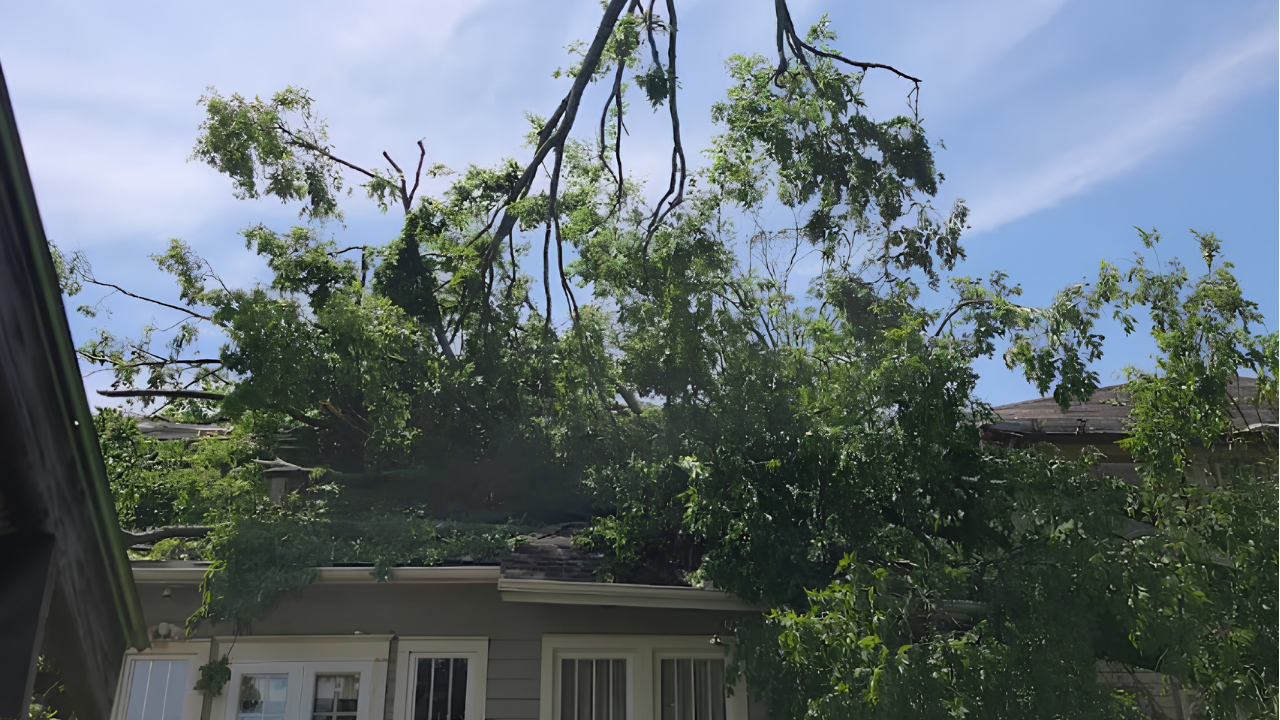
Middle Tennessee sits in an active severe-weather corridor, and that weather takes a real toll on asphalt shingles. High winds lift and crease shingles where the factory seal strip fails, exposing nail heads to rust and rainwater. Hail bruises the shingle mat and knocks granules loose without breaking the surface, weakening waterproofing in a way that may not leak immediately but shows up later. Heavy, wind-driven rain finds weak flashing and seal points that ordinary rain never reaches.
Because much of this damage is invisible from the ground, a post-storm inspection is one of the best ways to catch problems early — before a small issue becomes a major leak. After any storm that produced hail or winds over about 50 mph, an inspection is a reasonable next step. For a full breakdown of how to recognize and document storm damage, see our storm and hail roof damage guide.
Can an Inspection Tell Whether You Need Repair or Replacement?
An inspection gives you the information needed to weigh that decision — but it does not automatically produce a single answer for every roof. By evaluating the shingles, flashing, decking, ventilation, and storm exposure together, an inspection helps you understand whether the problem is isolated and repairable or widespread enough that replacement may be the better long-term value.
For example, one isolated leak on an otherwise sound roof usually points toward a targeted repair, while repeated leaks in different areas, widespread curling, or rotted decking may point toward replacement. The full framework for weighing those options — including a comparison table and a homeowner checklist — is in our roof repair vs. replacement guide.
Does a Roof Inspection Help Determine Repair Cost?
An inspection is also what makes a meaningful repair price possible. Roof repair cost depends on the type of damage, the size of the affected area, the materials, roof accessibility, whether flashing or a penetration is involved, and whether the underlying decking is damaged. None of those factors can be confirmed until the roof is actually evaluated.
That is why any dollar figure offered before an inspection is a guess, not an estimate. Understanding the true scope of the repair — by finding the real source and extent of the problem — is what allows an accurate price to be given. For a full explanation of what drives repair pricing in Nashville and Middle Tennessee, see our roof repair cost guide.
Roof Inspection vs. Insurance Adjuster Inspection
It is important to understand the difference between a roofer's inspection and an insurance adjuster's inspection, because they serve different purposes.
A roofing contractor evaluates the physical roofing system — the shingles, flashing, decking, and related components — and performs or estimates roofing work. An insurance adjuster evaluates an insurance claim on behalf of the insurer, determining whether reported damage falls under covered policy perils and measuring the scope of the loss for the insurance company. These are distinct roles.
A roofer is not an insurance adjuster, a public adjuster, or an attorney, and cannot determine what an insurer must cover or guarantee a claim outcome. If you are navigating a claim after storm damage, our Tennessee roofing insurance claims guide walks through the process, including how documentation, deductibles, and ACV vs. RCV work.
What Should Homeowners Ask During a Roof Inspection?
An inspection is more useful when you ask direct questions. Reasonable questions include: What condition is the roof in overall? Where exactly is the problem located? Is the damage isolated to one area or widespread across the roof? Are there visible signs of storm damage? Does the problem appear repairable, or is the roof showing broader wear? Are there areas that should simply be monitored for now? What are my next roofing options?
Asking these questions helps you understand the roof's condition in plain terms and gives you a basis for deciding what to do next — whether that is a repair, a replacement, or simply keeping an eye on things. A trustworthy roofer answers them clearly without pressure.
What Happens After a Roof Inspection?
What comes next depends entirely on what the inspection finds. In general, possible outcomes include that no immediate work appears necessary and the roof can simply be monitored, that some maintenance may be appropriate, that a targeted repair may be worth considering, that further evaluation is needed, or that replacement may be worth considering when deterioration is widespread.
The point of the inspection is to give you the facts so you can make an informed decision — not to push you toward any particular choice before the roof has actually been evaluated. If the roof only needs a small repair, that is what a trustworthy roofer tells you. If replacement is genuinely the better long-term value, that is explained with the reasoning behind it.
How to Request a Free Roof Inspection From Terry Woodall Roofing
Terry Woodall Roofing offers free roof inspections for homeowners within its Middle Tennessee service area. If you are dealing with a suspected leak, missing shingles, recent storm damage, or an aging roof you simply want evaluated, an inspection is the right starting point. And if you have already received a roofing recommendation from another contractor and want a second evaluation, a free inspection is also the right way to get a second opinion on your roof before committing to a major repair or replacement.
Terry personally answers the business phone at (615) 300-6005. Serving Middle Tennessee since 1983, Terry provides honest assessments so you can decide based on your roof, not on pressure. You can also start on our roof inspection page or, if you already know you need a repair, go straight to our roof repair page. If you have already received a repair estimate and want to make sure it is complete, our roof repair estimate checklist explains what the written proposal should address.
Have a question about your roof?
Terry personally answers the phone — no sales reps, no pressure.
Frequently Asked Questions
Straight answers to common questions from Middle Tennessee homeowners.
Are roof inspections free in Nashville?
Terry Woodall Roofing offers free roof inspections for homeowners within its Middle Tennessee service area, including Nashville and surrounding communities. Terry personally answers (615) 300-6005. The goal of the inspection is to give you honest information about your roof's condition so you can make an informed decision — there is no obligation.
What happens during a roof inspection?
A professional roofer evaluates visible roofing conditions and looks for signs of damage, deterioration, leaks, or other problems that may need attention. That may include shingle condition, flashing, penetrations, valleys, roof edges, and visible storm or water-intrusion signs, depending on the roof and circumstances. The specific focus varies with each home and the reason for the inspection.
How long does a roof inspection take?
There is no single answer, because timing depends on the size and pitch of the roof, its condition, the reason for the inspection, and how much needs to be evaluated. A straightforward inspection of a typical home may be relatively quick, while a roof with suspected storm damage or a complex layout can take longer. Terry can give you a sense of what to expect when you call.
When should I have my roof inspected?
Common reasons include a suspected leak, missing or damaged shingles, recent severe weather with hail or high winds, signs of deterioration like curling or granule loss, or an aging roof you want evaluated. There is no rigid schedule — the right time depends on what is happening with your roof and your local weather exposure.
Should I get my roof inspected after a storm?
After a Middle Tennessee storm with hail or winds over about 50 mph, an inspection is a reasonable next step even when nothing looks obviously wrong. Hail can bruise a shingle without breaking the surface, and wind can lift shingles in ways that are hard to see from the ground. Catching that damage early is far less expensive than waiting for a major leak.
Can a roofer tell where a leak is coming from?
Often yes. A professional roofer traces the water back to its true source by looking at the attic, the decking, and the roof surface together — because the interior drip is rarely directly below the point where water is entering. Finding the actual entry point is what makes a repair hold up instead of just patching the visible stain.
Can a roof inspection tell if I need a new roof?
An inspection gives you the information needed to weigh that decision. One isolated problem on an otherwise sound roof usually points toward a repair, while repeated leaks, widespread curling, or rotted decking may point toward replacement. The inspection helps you understand the whole roof so you can decide based on facts rather than a single symptom.
Should I get an inspection before filing an insurance claim?
An inspection can document the physical condition of your roof, which is useful information. However, whether and when to file a claim depends on your individual insurance policy, your deductible, and the cause of loss. Homeowners should follow the notice and documentation requirements in their policy and contact their insurer regarding any claim obligations and deadlines.
What is the difference between a roofer's inspection and an insurance adjuster's inspection?
A roofing contractor evaluates the physical roofing system and performs or estimates roofing work. An insurance adjuster evaluates an insurance claim on behalf of the insurer to determine coverage and the scope of loss. A roofer is not an adjuster or attorney and cannot determine what an insurer must cover or guarantee a claim outcome.
How do I schedule a free roof inspection with Terry Woodall Roofing?
Call (615) 300-6005 — Terry personally answers the business phone. Terry Woodall Roofing offers free roof inspections for homeowners within its Middle Tennessee service area and has served the region since 1983. You can also start on the roof inspection page to learn more before you call.
Terry Woodall Roofing Contractors
From the Terry Woodall Roofing Contractors Resource Center — serving Middle Tennessee homeowners since 1983
Terry Woodall Roofing Contractors brings over 40 years of hands-on roofing experience to Middle Tennessee homeowners. These resources are prepared to help homeowners understand roof maintenance, storm damage mitigation, and the insurance claims process so every home is protected. Founder Terry Woodall personally oversees the company's roofing work across Nashville, Franklin, Brentwood, and the surrounding communities.
Found this guide useful? Copy a ready-to-paste citation and attribute Terry Woodall Roofing as your source.
Terry Woodall. (2026-08-22). What Happens During a Free Roof Inspection in Nashville & Middle Tennessee?. Terry Woodall Roofing. https://terrywoodallroofing.com/resources/free-roof-inspection-nashville-middle-tn
Related Roofing Services
If you suspect your roof needs attention, Terry Woodall offers straightforward evaluations across Middle Tennessee:
Where We Work in Middle Tennessee
Keep Reading
Request a Call
Get straightforward answers directly from Terry.
Free roof inspection — and free estimates on any recommended work.
This form is for Middle Tennessee homeowners requesting roofing help only. Marketing, sales, and vendor solicitations are not accepted and will be discarded.
Need an Honest Roof Inspection?
Speak directly with Terry Woodall today. No pushy sales representatives, just a local reputation built since 1983.
Call (615) 300-6005Text TerryWant to know the real condition of your roof? Terry Woodall Roofing offers free roof inspections for homeowners across Middle Tennessee — serving the area since 1983, with honest assessments and no pressure. Call (615) 300-6005 to speak directly with Terry.